
 Brian Dương
#What Is Thai Rice? Why Is It Famous in the World?
What Is Thai Rice? Why Is It Famous in the World?
27/05/2025 -
Nội dung bài viết
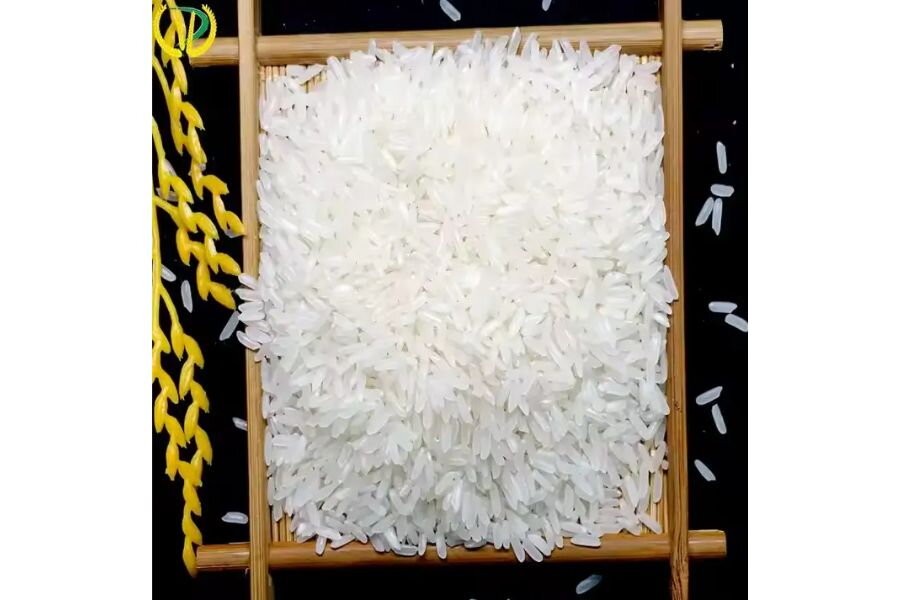
Thai rice is one of the world’s most celebrated and widely consumed rice varieties, renowned for its aromatic fragrance, delicate texture, and exceptional quality. As a cornerstone of Thai cuisine and a major export product, Thai rice has garnered international acclaim for its ability to elevate dishes and delight palates globally. This article explores what Thai rice is, its primary varieties, and why it enjoys global fame.
Understanding Thai Rice
Thai rice refers to the different rice varieties cultivated primarily in Thailand’s fertile plains and river deltas. Known for their unique aroma and flavor, these rice types have been cultivated for centuries, integral to both everyday meals and ceremonial occasions.
Key Characteristics of Thai Rice
-
Distinctive fragrance: Thai rice varieties, especially jasmine rice, have a natural floral aroma.
-
Grain size and shape: Ranges from long slender grains to medium and short grains depending on the type.
-
Texture: Thai rice cooks to a soft yet fluffy texture with grains that separate easily.
-
Versatility: Suitable for a wide array of culinary uses, from steamed rice to desserts.
Popular Thai Rice Varieties
1. Jasmine Rice (Hom Mali Rice)
-
The most famous Thai rice variety.
-
Known for its sweet floral fragrance and soft texture.
-
Widely used in Thai cuisine and popular worldwide.
-
Often called “Hom Mali,” which means “jasmine-scented” in Thai.
2. Glutinous (Sticky) Rice
-
Known as “Khao Niao” in Thai.
-
Short, plump grains that become sticky when cooked.
-
Essential in traditional Thai desserts and northern Thai dishes.
3. White Rice
-
Common polished rice with neutral flavor.
-
Often used in everyday cooking.
4. Red and Black Rice
-
Whole grain varieties rich in antioxidants.
-
Increasingly popular for health benefits.
Why Is Thai Rice Famous Worldwide?
1. Exceptional Aroma and Flavor
Thai jasmine rice’s unique floral aroma comes from a natural compound that develops during cultivation. This fragrance enhances the overall eating experience and sets Thai rice apart from many other rice varieties.
2. Superior Cooking Quality
Thai rice cooks to a perfect balance of softness and fluffiness. Its grains separate easily without becoming mushy, making it ideal for a variety of dishes from simple steamed rice to complex fried rice.
3. Cultural and Culinary Significance
Rice is fundamental to Thai culture, symbolizing prosperity and hospitality. Thai rice is central to many national dishes, ceremonies, and daily meals, strengthening its identity and appeal.
4. Strict Quality Control and Standards
Thailand has implemented rigorous standards to ensure the quality of its rice, maintaining consistency and safety in both domestic consumption and export.
5. Strong Global Export Market
Thailand ranks among the top rice exporters globally. Thai rice reaches international markets including the Middle East, Europe, Africa, and North America, increasing its visibility and demand.
Comparison with Other Famous Rice Varieties
Thai Jasmine Rice vs. Indian Basmati Rice
-
Aroma: Jasmine rice has a sweet, floral scent; basmati has a nutty aroma.
-
Grain: Basmati grains are longer and thinner; jasmine grains are slightly shorter and plumper.
-
Texture: Jasmine rice is softer and stickier; basmati is drier and fluffier.
-
Cuisine: Basmati is used in Indian and Middle Eastern dishes; jasmine is popular in Southeast Asian cuisine.
Thai Rice vs. Vietnamese Jasmine Rice
-
Both are aromatic and long grain.
-
Thai jasmine rice is slightly more fragrant.
-
Vietnamese jasmine rice tends to be softer.
Thai Sticky Rice vs. Cambodian Sticky Rice
-
Both are glutinous rice with sticky texture.
-
Slight differences in aroma and regional use.
-
Both are essential in their respective cultures.
Thai Rice vs. Brown and Parboiled Rice
-
Brown rice offers more fiber and nutrients.
-
Parboiled rice has firmer grains and longer shelf life.
-
Thai jasmine is primarily polished white rice.
Culinary Uses of Thai Rice
-
Steamed Jasmine Rice: Served as a side with curries, grilled meats, and seafood.
-
Sticky Rice Dishes: Used in mango sticky rice dessert and savory dishes in Northern Thailand.
-
Fried Rice: Thai fried rice uses jasmine rice for its ideal texture.
-
Rice Noodles and Flour: Made from different rice varieties for diverse dishes.
Cooking Tips for Thai Rice
-
Rinse jasmine rice gently to remove excess starch.
-
Use about 1.5 cups of water per cup of rice.
-
Cook with a rice cooker or pot with a tight lid.
-
Avoid stirring during cooking.
-
Let rice rest after cooking for fluffy grains.
Conclusion
Thai rice, especially jasmine rice, is famous worldwide for its unique aroma, texture, and quality. Its cultural significance and culinary versatility have made it a staple in Thai cuisine and a favorite among global consumers. From fragrant steamed rice to sticky rice desserts, Thai rice continues to delight and inspire chefs and food lovers around the world.
Learn more: Thai Rice
Xem thêm: https://foods.be5.com.vn/gao-thom-thai/
TVQuản trị viênQuản trị viên
Xin chào quý khách. Quý khách hãy để lại bình luận, chúng tôi sẽ phản hồi sớm